
Restoring our Playfulness
February 8-10, 2027
The Florida Keys – Islamorada – The Three Waters Resort
Islamorada, Florida
The Three Waters Resort
February 8-10, 2027
12 CEs
Restoring Our Playfulness
A continuing education program suited to the sun, sand, ocean tides, coral reefs, and diverse ecosystems the Florida Keys have to offer. Stay tuned–Registration Opens Soon– join our interest list.
The Reef
The only living coral reef in the continental United States. Brain coral, sea fans, parrotfish in water clear enough to read a book through. It begins at Key Largo and it is unlike anything else in the country.
The Backcountry
Paddle into a world most people never see — mangrove tunnels, shallow tidal flats, roseate spoonbills moving through the roots. Quiet, intricate, and full of life.
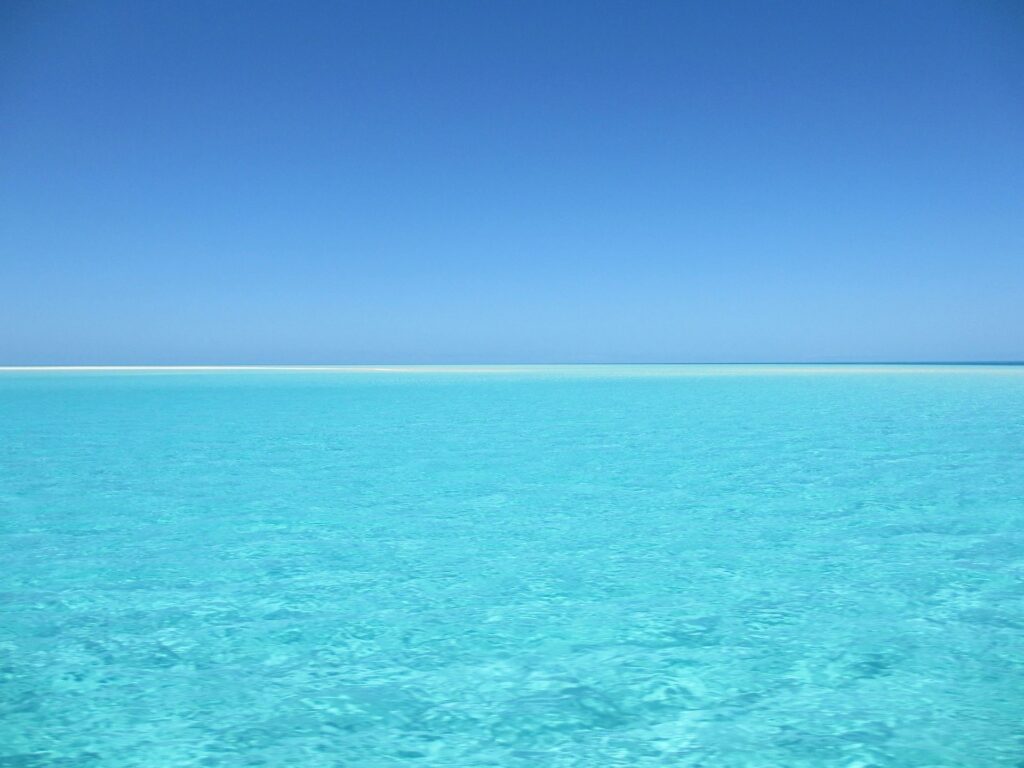
The Flats
Legendary among anglers. Permit, bonefish, and tarpon moving through water so thin you can see them coming. Whether you’ve fished for decades or want to try something new, a half-day here is unforgettable.
The Light
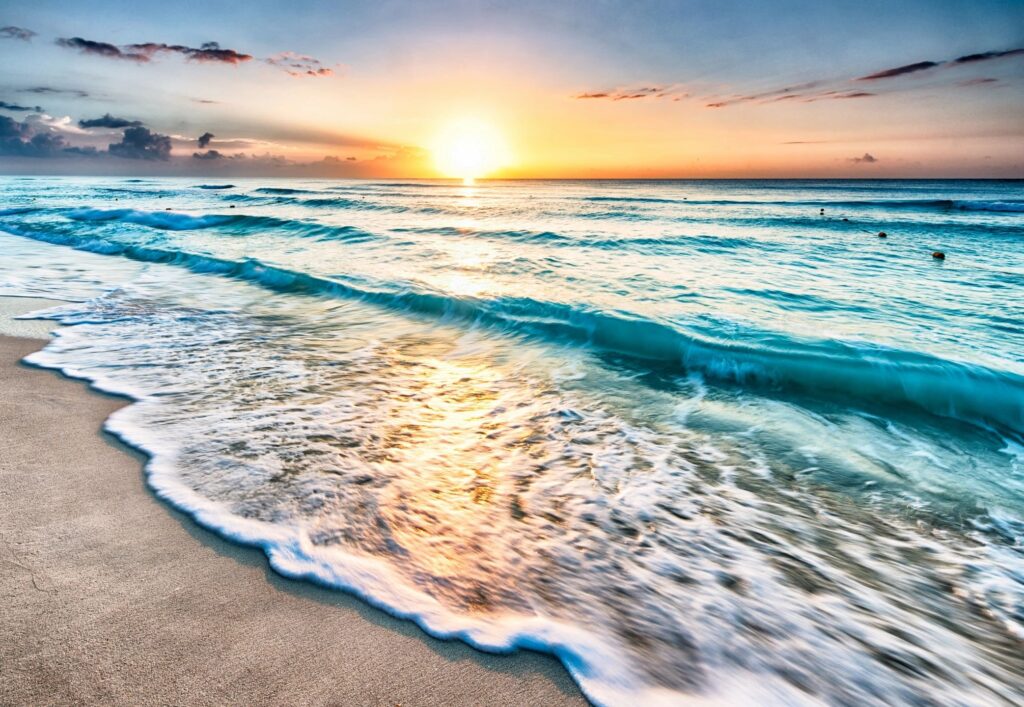
There is a quality of light in the Upper Keys — low, luminous, bouncing off shallow water in every direction — that painters and photographers have been chasing for years. Bring dinner to the water’s edge as the sky changes. Stay a little longer than you planned.
We Gather Under a Beach-side Tiki to Restore our Playfulness
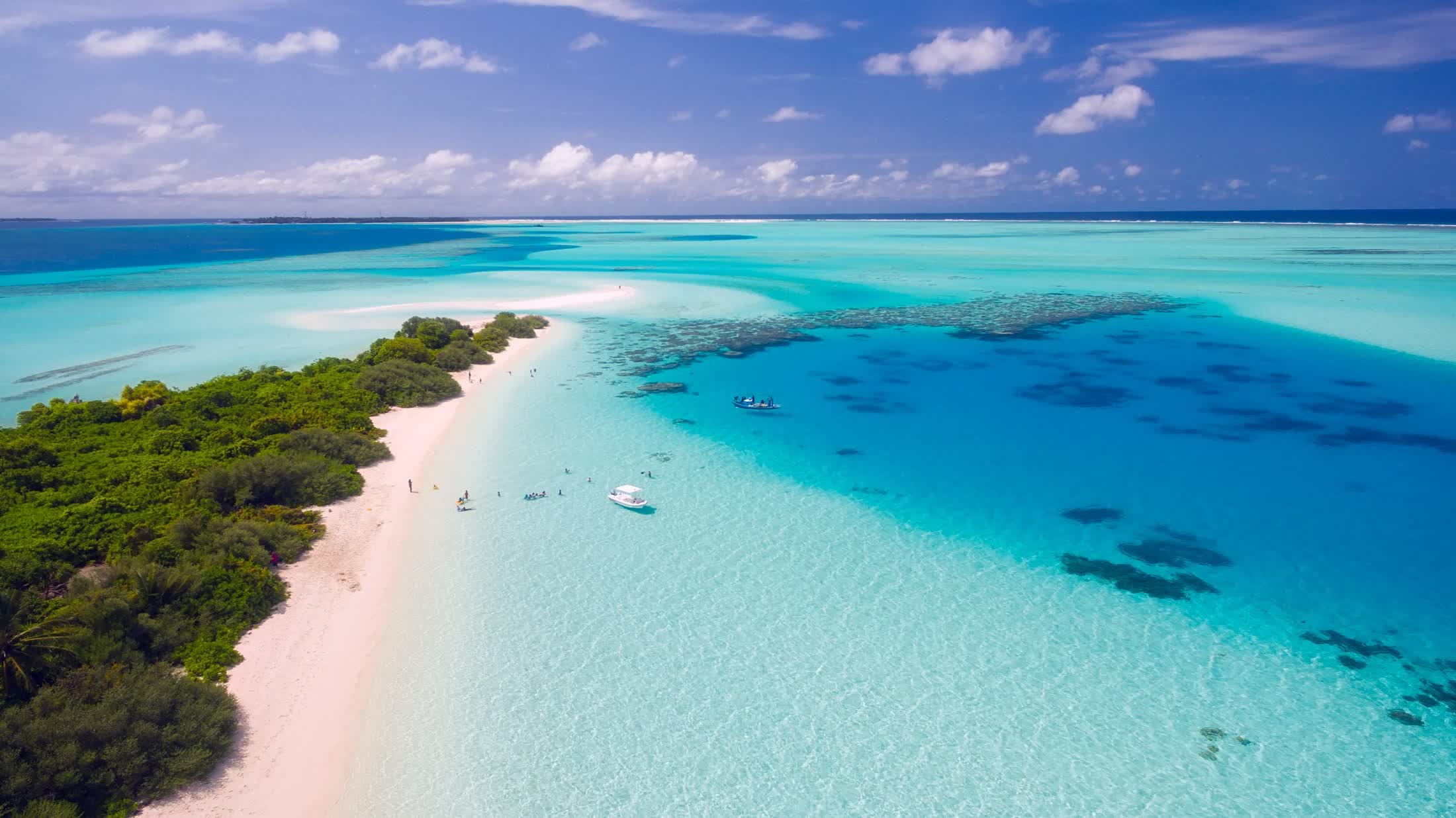
There is no place in the continental United States quite like the Florida Keys. The water is warm and inviting. The reef sits a couple miles out, waiting to be snorkeled. It’s made for play!
Playfulness is the disposition to reframe the ordinary into something stimulating — a spark for curiosity, and a foundation for adaptation and problem-solving.
Why did we choose Playfulness? Because we need it–both personally and professionally. Playfulness is associated with emotional intimacy, mutual exchange, and the constructive repair of a strained moment. Adults prompted toward play show measurable gains in creative originality. Playful adults are more likely to reframe stress and to feel less pressed by it. And even a few minutes of daily play can improve wellbeing and eased depressive symptoms.
The Florida Keys sit at a permanent threshold — between Atlantic and Gulf, between salt and fresh, between the continent and what lies beyond it. This is an ecosystem defined by adaptation: the reef, the mangrove, the vast shallow flats have each developed extraordinary responsiveness to changing conditions. It is not a metaphor. It is just what is true here. And it is impossible to spend real time in this landscape without beginning to apply those same questions — about flexibility, attunement, and what it means to remain present at the edge of things — to your own life and work.
The Freedom to Choose Your Way
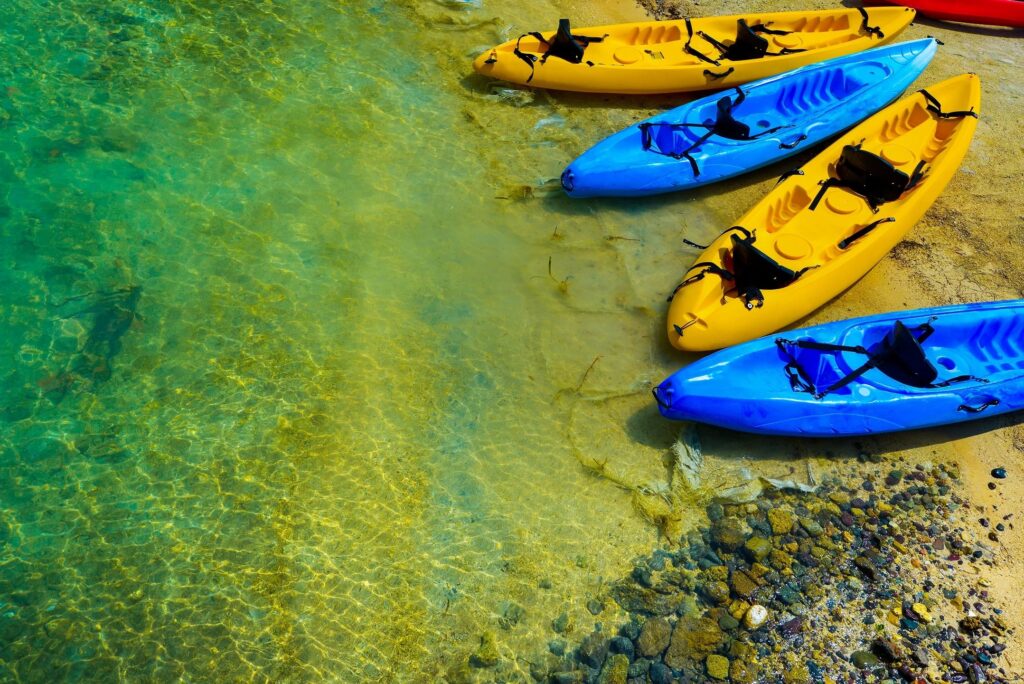
The Keys don’t require anything of you. No particular pace, no agenda, no single way of being here. Some participants will want to be on the water by early morning — kayak through a mangrove tunnel, drop a line on the flats before the wind picks up, or follow a guide out to the reef while the light is still low and the fish are moving. Others will find their rhythm later — coffee on a dock, a slow walk, an afternoon snorkel above living coral in water so clear it reads less like ocean and more like a lens.
The water is the organizing fact of life here. Turquoise, gin-clear, warm in February when most of the country is something else entirely. It invites both movement and stillness — and the Keys have long attracted people who understand that restoration and rigor are not opposites.
Getting There
Fly into Miami International Airport (MIA) or Fort Lauderdale-Hollywood International Airport (FLL), then rent a car. The drive south takes about two hours to the Upper Keys — and it is worth every minute.
Somewhere around Florida City, the mainland ends. The road narrows. The terrain flattens into something you don’t have a name for until you’re in it — saw grass and open sky, then water on both sides, then a bridge, then another island, then another bridge. The Overseas Highway connects 42 of them across 120 miles of open sea, and there is nothing else like driving it.
Each stretch of the chain has its own character. Key Largo announces the reef — John Pennekamp Coral Reef State Park, the first underwater state park in the country, begins here. Islamorada, known as the Sportfishing Capital of the World, comes next — turquoise water, fishing charters, dockside restaurants with pelicans on the pilings. The Middle Keys open into Marathon and the Seven Mile Bridge, one of the great drives in America, the road appearing to float across open water with nothing but horizon in every direction. The Lower Keys turn quieter, wilder — mangrove mazes, Key deer, skies untouched by city light.

You can move through quickly, or you can stop often. The Overseas Highway doesn’t funnel you. It leaves room.
Prefer to fly directly into the Keys? Key West International Airport (EYW) and Florida Keys Marathon International Airport (MTH) both offer options for those who want to begin their time on the islands immediately.
Option to Extend: Stay Before or After
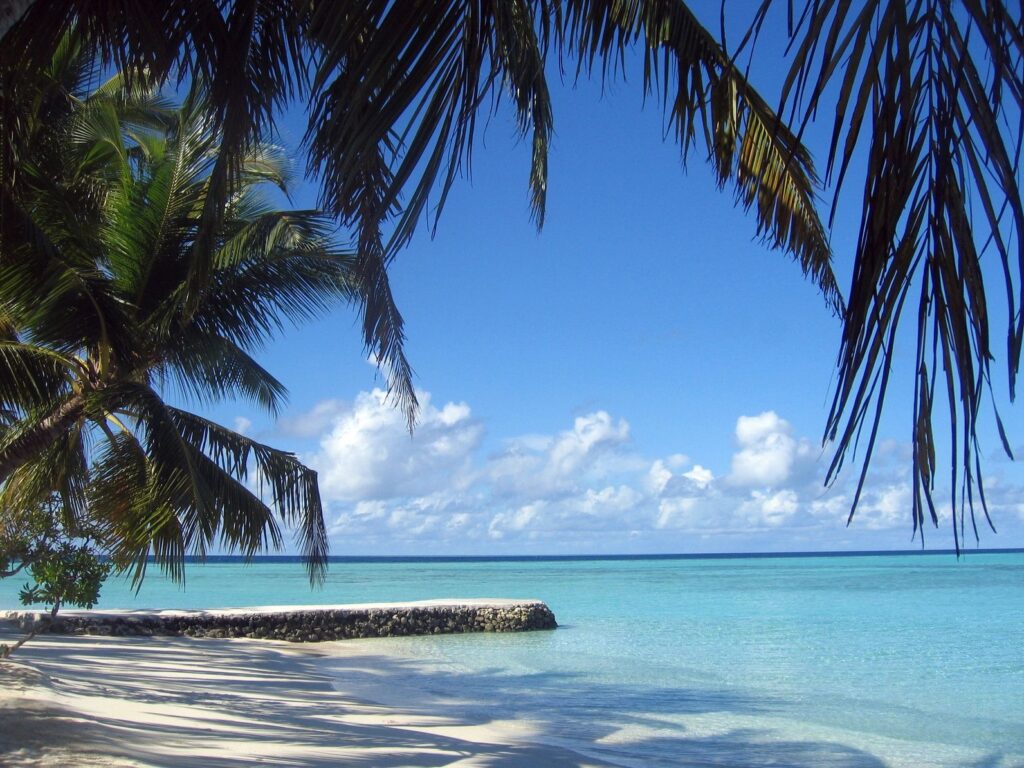
February is the Keys at their finest — dry season, warm but not yet heavy, the water at its most transparent. If you have extra days, the question is simply how to use them.
Some participants will extend north through the chain, moving slowly from key to key, stopping wherever curiosity or the color of the water compels them. Others will stay south — Key West is a world of its own, and it rewards time. Hemingway lived and wrote here. The city once declared itself an independent nation — the Conch Republic — in a dispute with the U.S. government, surrendered immediately, and has been cheerfully sovereign in spirit ever since. Chickens roam the streets. Every evening, crowds gather at Mallory Square to applaud the sunset as though it might not happen again.
Eat well. The stone crab is in season in February. The key lime pie is not optional. Find a dockside table as the light changes and stay a little longer than you planned.
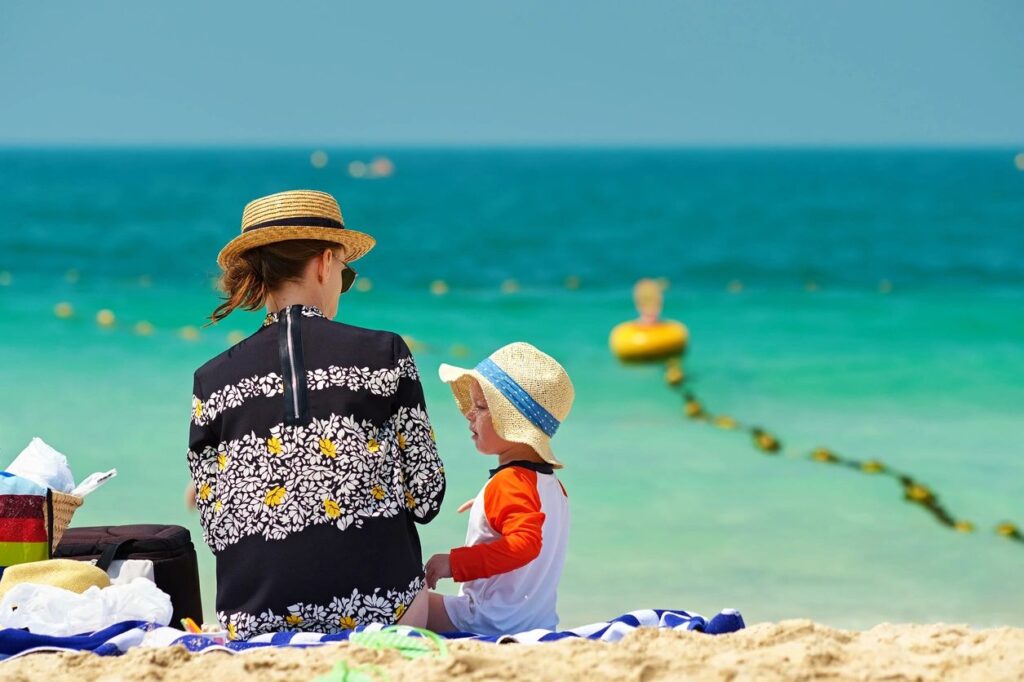
The Keys Work Well for Shared Travel
Some participants arrive with partners, others with children, close friends, or colleagues. While learning sessions are underway, companions have the Keys — which is not a small thing.
Snorkeling and diving on the only living coral reef in the continental United States. Kayaking and paddleboarding through mangrove backcountry. Fishing charters for every level — offshore bluewater, reef fishing, the quiet precision of fly fishing on the flats. Glass-bottom boat tours. Sunset sails. Dolphin watches. Visits to rescued sea turtles at the Turtle Hospital in Marathon. Wildlife and birding along one of the great migratory flyways in North America. Or simply a hammock, a view of the water, and the particular quality of February afternoon light in the Florida Keys.
There is something here for everyone who comes with someone.